
If you’re searching for treatment options right now, you’ve already taken one of the hardest steps.
You’ve acknowledged that something in your life needs attention.
But the next step—figuring out what kind of support to choose—can feel confusing. Suddenly you’re reading unfamiliar terms, comparing schedules, and trying to make an important decision while you’re already carrying a lot emotionally.
Many people reach this stage and begin looking at options like structured daytime care or multi-day weekly treatment.
The truth is, you don’t have to solve everything today.
You just need to find a starting place that supports you.
The First Realization: You Don’t Have to Figure This Out Alone
When people first start researching treatment, they often assume the decision rests entirely on their shoulders.
It can feel like you need to analyze every option, compare every schedule, and somehow choose perfectly.
But recovery rarely works that way.
Most people talk with professionals, ask questions, and explore different possibilities before deciding what feels right. Treatment teams help guide those decisions every day.
Think of it less like choosing a destination and more like beginning a journey.
You don’t have to map the entire road today. You just need to take the first step.
Understanding Why Different Levels of Support Exist
Recovery looks different for every person.
Some people feel relatively stable but want help strengthening their sobriety and emotional health. Others may feel overwhelmed by cravings, anxiety, depression, or relapse cycles.
Because people arrive at recovery from different places, treatment programs are designed with varying levels of support.
Some options provide extended daytime structure several days each week. Others provide shorter sessions spread across the week.
Both approaches can help people build healthier habits, emotional awareness, and coping skills.
The key difference usually comes down to one question:
How much support do you need right now to feel safe and stable?
When More Structured Support Makes a Difference
Early recovery can feel intense.
Many people experience strong emotions during this time—anxiety, grief, guilt, or uncertainty about the future. Cravings may appear unexpectedly, and old coping patterns can feel difficult to break.
In those moments, a highly structured environment can provide stability.
More consistent daytime support gives individuals space to focus on healing without the distractions and pressures of everyday life.
People often spend time in therapy, group discussions, and skill-building activities that strengthen emotional resilience and recovery tools.
For individuals who need this level of structure, a Partial hospitalization program can provide deeper daily support while still allowing people to return home each evening.
For many people, this balance makes recovery feel possible rather than overwhelming.
When A Flexible Schedule Feels Like the Right Fit
Not everyone entering recovery needs intensive daytime structure.
Some people feel stable enough to maintain work, school, or family responsibilities while receiving treatment support.
In those situations, a program with fewer weekly hours may provide the right balance.
This approach allows individuals to continue participating in daily life while attending therapy sessions designed to reinforce coping strategies, accountability, and emotional growth.
For some people, this level of care is enough from the beginning.
Others move into it after first receiving more structured support.
Recovery is not a single track. It’s a flexible path that adapts to your needs.
The Fear of Choosing the Wrong Option
One of the most common concerns people express when considering treatment is the fear of making the wrong decision.
They worry about committing to something that might not work or feeling locked into a program that doesn’t fit.
But recovery systems are designed to be flexible.
It’s common for people to begin with one level of support and adjust as their needs change. Someone might start with daily structure and later transition to fewer sessions as stability grows.
Others may begin with lighter support and realize they benefit from additional structure.
Think of recovery like adjusting the sails on a boat.
The goal isn’t perfection—it’s responding to changing conditions so you can keep moving forward.
Signs You Might Benefit From More Support
If you’re unsure which path feels right, reflecting on your current situation can help.
You might benefit from more structured recovery support if:
- cravings feel overwhelming or difficult to manage
- you’ve experienced repeated relapses
- mental health symptoms are affecting daily functioning
- you feel unsafe or unstable without consistent guidance
- stress makes it hard to focus on recovery alone
These signs don’t mean your recovery will be harder.
They simply mean you may benefit from a stronger support system while you build new skills and stability.
Recovery Is Not a Test You Have to Pass
Some people approach treatment decisions the way they approach major life choices—carefully analyzing every possibility.
But recovery is not an exam with a single correct answer.
It’s a process of learning what support helps you grow.
The important part isn’t choosing perfectly.
It’s choosing to begin.
Once you’re connected to support, many of the uncertainties start to resolve themselves naturally.
What Happens After You Start
One of the most reassuring discoveries people make after entering treatment is that they’re not alone.
You meet others who understand what you’re going through. You share experiences with people navigating similar challenges.
Therapists help you understand patterns you may not have noticed before. New coping tools slowly replace old habits.
Recovery begins to feel less like a battle and more like a process of learning and rebuilding.
And over time, the life you’re working toward becomes clearer.
Frequently Asked Questions
How do people decide which level of treatment is right?
Many people speak with treatment professionals who assess their needs, stability, and goals before recommending the most supportive level of care.
Can someone change levels of care later?
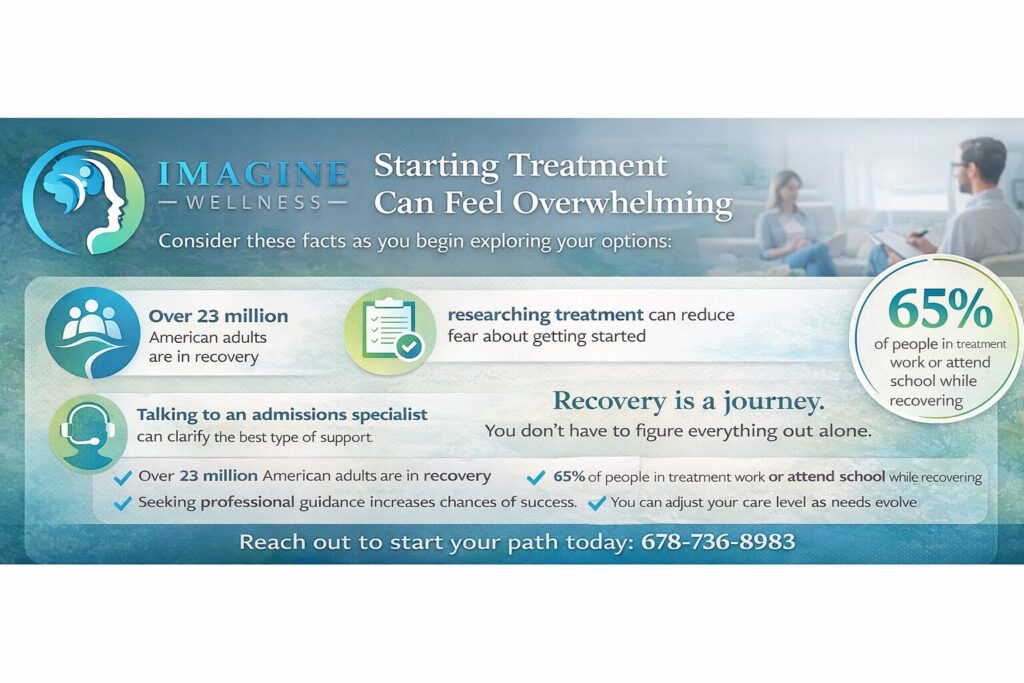
Yes. Many people transition between levels of treatment as their recovery progresses and their needs evolve.
Do more structured programs mean someone is “worse off”?
No. Different levels of care simply provide different levels of support. Choosing more structure can help many people build stronger foundations early in recovery.
Is it possible to work or attend school while in treatment?
Some programs allow individuals to maintain certain responsibilities while receiving support, depending on the level of care.
What if I’m nervous about starting treatment?
Feeling nervous is extremely common. Many people enter treatment feeling uncertain but later find the experience supportive and empowering.
Can recovery really work for someone like me?
Yes. Recovery happens for people from all backgrounds and life situations. With the right support, meaningful change is absolutely possible.
Ready to Take the Next Step?
If you’re considering treatment and want help deciding what level of care might be the best fit, support is available.
Call 678-736-8983 or visit our Partial hospitalization program services to learn more about our Partial hospitalization program services in Atlanta, GA.